Published January 26, 2026
Leadership Weak in the C-Suite
A Founders’ Circle Provocation
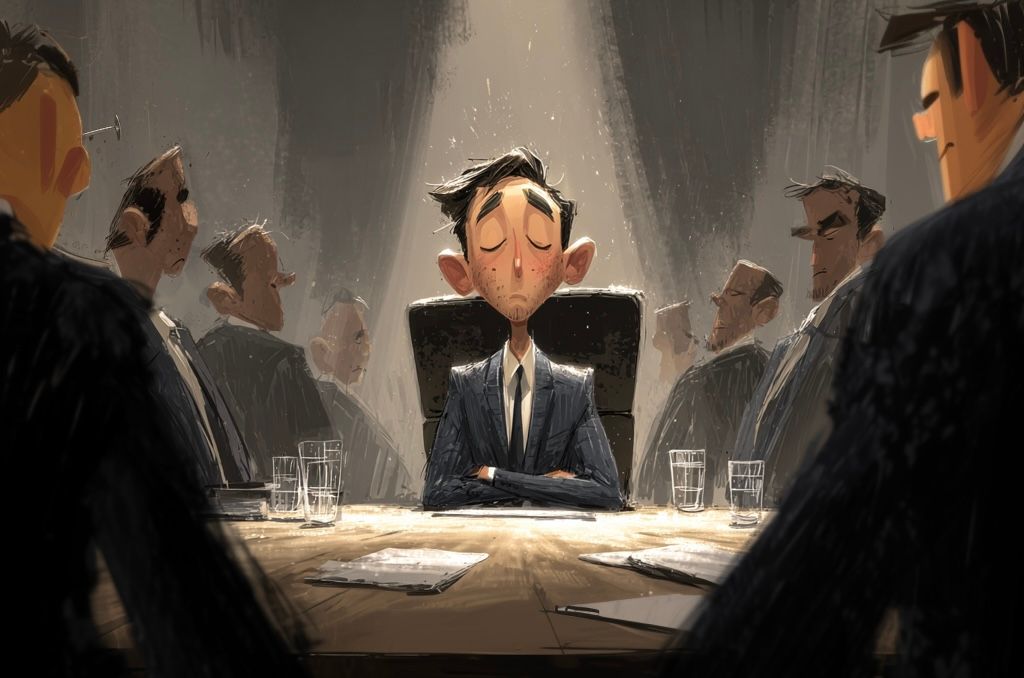
At our most recent January Founders’ Circle session, Paula Grunfeld challenged the group to tackle a real world issue. Ian Wright offered the provocation:
“Leadership styles are weakening in the modern C-suite workforce.”
It sparked a lively and honest discussion across regions, generations, and leadership philosophies.
From Control to Curiosity
Cas Majid, CEO of WOW Group, reflected on his own leadership evolution. Micro-managing senior leaders, he said, never worked. His current approach is rooted in curiosity. He listens, asks questions, and gives his leadership team the space to explain their part of the business challenge.
That shift from control to inquiry empowers his team while giving him deeper insight into the organisation. Authority is still present, but it is exercised through trust and clarity rather than oversight.
The Experience Gap
Marlina Lim, CEO of Leverate Agency in Jakarta, highlighted a different challenge. In parts of Southeast Asia, there is limited real world exposure for aspiring leaders. The talent pool is enthusiastic, but often lacks practical leadership experience. The issue is not weakening leadership, but insufficient development pathways.
Friendship and Professional Boundaries
Rakz Mathur shared how early leadership lessons came from working alongside Amir Mireskandari. Their relationship extended beyond the office, giving Rakz insight into Amir’s personality and approach to life.
However, as Amir pointed out, once inside the business, personal connection gave way to performance focus. Friendship had no bearing on evaluation, negotiation, or standards. The boundary was clear. Leadership requires both humanity and discipline.
Generational Shifts
Daniel Eischen raised the generational question. Millennials and Gen Z employees appear less willing to tolerate environments that do not align with their values, compensation expectations, or perceived status. Unlike many Gen X leaders who were shaped by grit and endurance, younger employees are quicker to move on.
Is this entitlement or simply changing expectations of work? The room did not fully agree, but it acknowledged the shift.
Leadership in Action
Graeme Blake offered a practical example from within Blutui. Over the past two years, Tyler Burbage has demonstrated initiative, commitment, and quiet leadership behaviours. A recent sales trip from New Zealand to London confirmed what Graeme suspected. Tyler is ready to step up.
In fact, Tyler himself proposed establishing a UK presence. Graeme is now actively considering that move.
Tyler’s background in professional cycling may have forged many of the leadership traits he shows today. Discipline. Endurance. Resilience. Leadership is often shaped long before the boardroom.
So, Is Leadership Weaker?
The group concluded that leadership may look different today, but different does not mean weaker.
Societal norms have shifted. Authority is less rigid. Empathy is more visible. Curiosity replaces command in many organisations. Whether a leader rules with an iron fist or with humility, the ultimate measure remains the same:
Does the team perform?
Does the business succeed?
Leadership styles evolve. Results remain the test.







Sign up for our newsletter.
We partner with some extraordinary organisations